The Essential Guide to Buying a New Treadmill: What You Need to Know
As fitness enthusiasts continue to look for versatile and efficient methods to keep their physical health, treadmills remain a staple in home and commercial fitness centers alike. The innovation and features of treadmills have advanced substantially in current years, making now an excellent time to consider buying a new treadmill. This post aims to direct possible buyers through necessary aspects to consider, different kinds of treadmills offered, and regularly asked concerns to guarantee they make an informed option.
Comprehending Treadmill Types
Before diving into particular brands, it's worth comprehending the main kinds of treadmills available in the market. This summary will help people identify which type best fits their fitness needs and budget plan.
1. Manual Treadmills
- Description: These treadmills do not rely on electricity and are powered solely by the user's motion.
- Pros:
- Generally more economical.
- Compact and lightweight, making them easy to shop.
- Cons:
- Limited features compared to motorized treadmills.
- Less appropriate for high-intensity workouts.
2. Motorized Treadmills
- Description: These treadmills come equipped with electric motors that assist in movement and allow for adjustable speed settings.
- Pros:
- Offer a wide variety of speed and slope choices.
- Often equipped with advanced technology, including workout programs and heart rate monitors.
- Cons:
- More costly and require more upkeep.
- Much heavier, making them difficult to move.
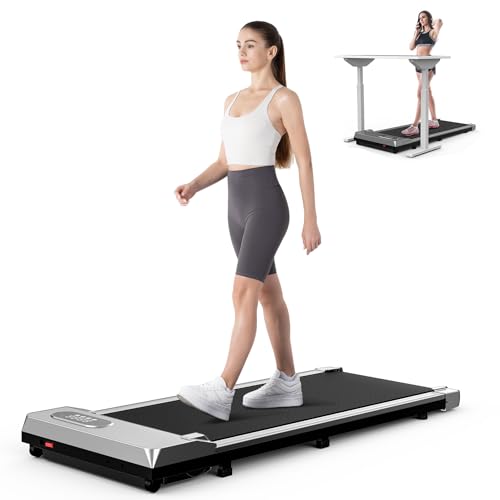
3. Folding Treadmills
- Description: These treadmills can be folded for convenience, making them an exceptional option for those with minimal space.
- Pros:
- Space-saving style.
- Still offers motorized alternatives.
- Cons:
- May compromise some stability and sturdiness for mobility.
4. Commercial Treadmills
- Description: Designed specifically for gyms and physical fitness centers, these treadmills are developed with more durable materials.
- Pros:
- High-quality construction and longevity.
- Features designed for extensive use.
- Cons:
- Generally more pricey and larger in size.
Comparison Table of Treadmill Types
| Treadmill Type | Source of power | Key Features | Cost Range | Perfect For |
|---|---|---|---|---|
| Handbook | None | Fundamental performance | ₤ 100 - ₤ 500 | Newbies, budget plan users |
| Motorized | Electric | Adjustable speed/incline | ₤ 500 - ₤ 3,000 | All physical fitness levels |
| Folding | Electric | Space-saving features | ₤ 300 - ₤ 1,500 | Minimal area users |
| Business | Electric | Resilience and performance | ₤ 1,500 - ₤ 8,000 | Gyms, heavy use |
Key Features to Look For
When purchasing a new treadmill, a number of crucial functions need to be considered:
- Motor Power (HP): A more effective motor (at least 2.5 HP) is important for running and for users who plan to use the treadmill regularly.
- Running Surface: Consider the size of the belt. A longer and larger running surface area can accommodate longer strides and offers better security.
- Slope Options: Adjustable incline can include strength to workouts and target different muscle groups.
- Exercise Programs: Many treadmills provide integrated exercise programs that can direct users through numerous workouts and regimens.
- Show Features: A clear screen allows users to track their speed, range, calories burned, and heart rate more quickly.
- Cushioning: Adequate shock absorption can decrease the threat of injury and supply a more comfortable running experience.
- Technology Integration: Features like Bluetooth connectivity, mobile app combination, and integrated speakers can enhance the exercise experience.
Often Asked Questions (FAQs)
Q1: How much should I spending plan for a treadmill?
A: Budget can differ based on functions and quality. Manual treadmills begin around ₤ 100, while motorized designs can vary from ₤ 500 to ₤ 3,000, depending upon advanced features.
Q2: How typically should I preserve my treadmill?
A: Regular maintenance, including lubing the belt and inspecting the motor, need to be done monthly. Inspect the treadmill for wear and tear frequently.
Q3: Can I reduce weight with a treadmill?
A: Yes, regular use of the treadmill, combined with a healthy diet plan, can assist with weight reduction. Incorporating interval training increases strength and calorie burn.
Q4: Is it better to run on a treadmill or outdoors?
A: Both have benefits. At Home Treadmill offer a controlled environment and cushioning, while outside running offers varied scenery and natural slopes.
Q5: Do I need special shoes for utilizing a treadmill?
A: While particular treadmill shoes aren't needed, wearing good-quality running shoes developed for support, cushioning, and stability is advisable.
Purchasing a new treadmill can substantially affect one's physical fitness journey, offering opportunities to exercise at home no matter climate condition. By comprehending the types of treadmills readily available and thinking about vital features, people can select a model that fits their lifestyle and fitness objectives. Whether aiming for casual walks or intense running sessions, the right treadmill can change workout routines, making them more satisfying and effective. With the rise in technology and innovative styles, the treadmill stays an ageless and important tool in personal fitness.